
Create unique characters from an established starting point.
You Are the Casting Director
You know you want unique and memorable characters for your story. You may even have an idea of the type of character you want, but you need a little help bringing them to life. One way I do this is by casting my characters. Here’s what I mean.
Using Fictional and Non-Fictional Characters
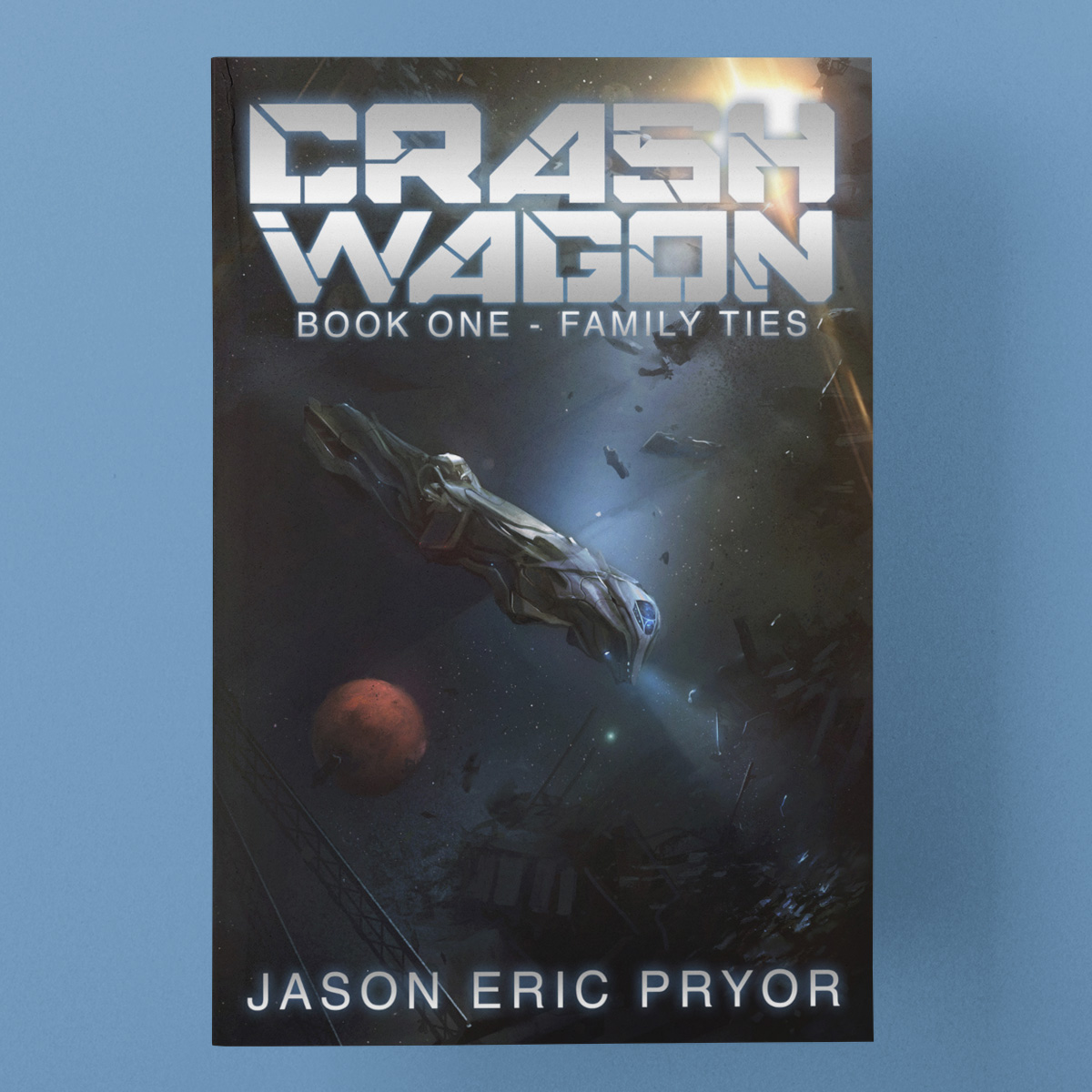
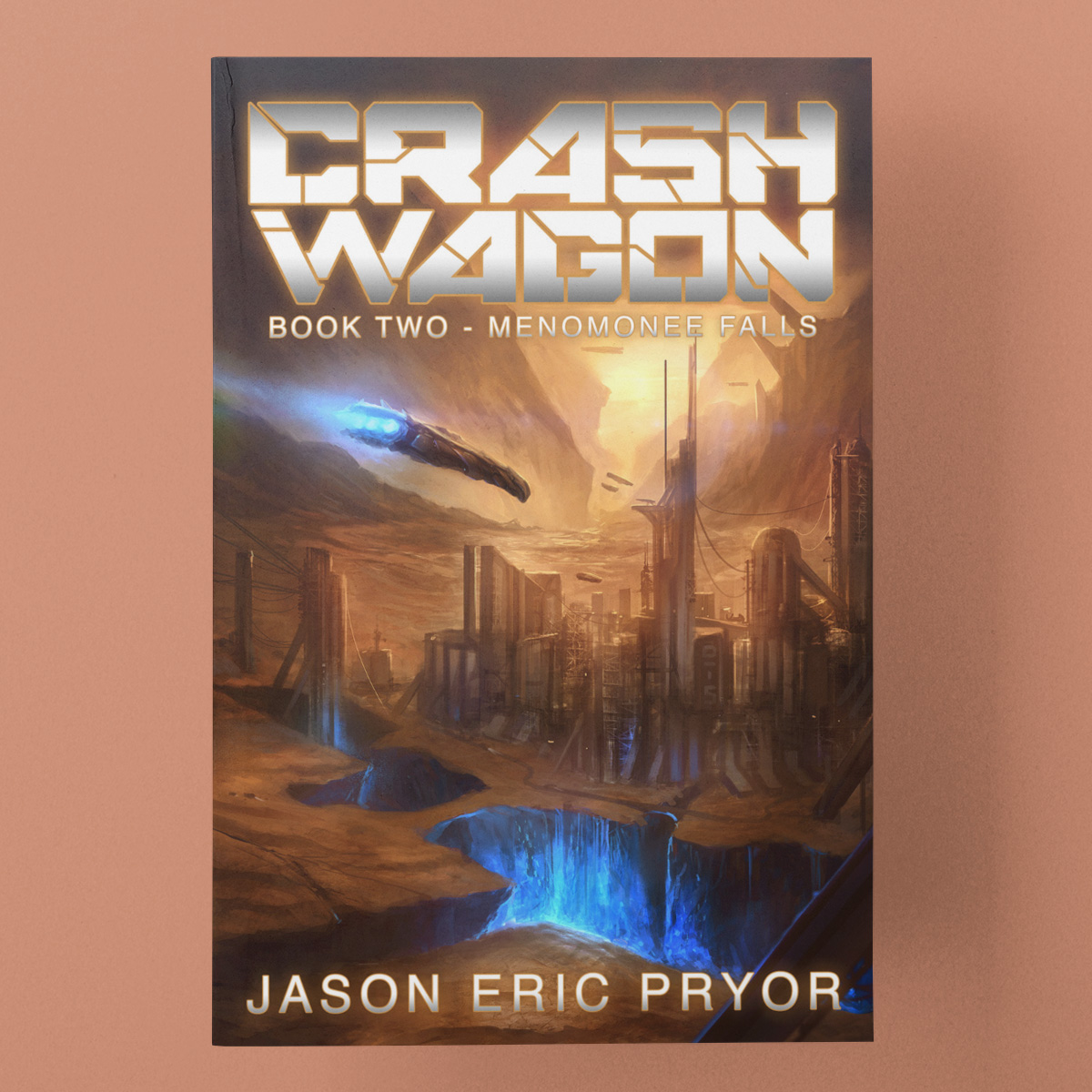
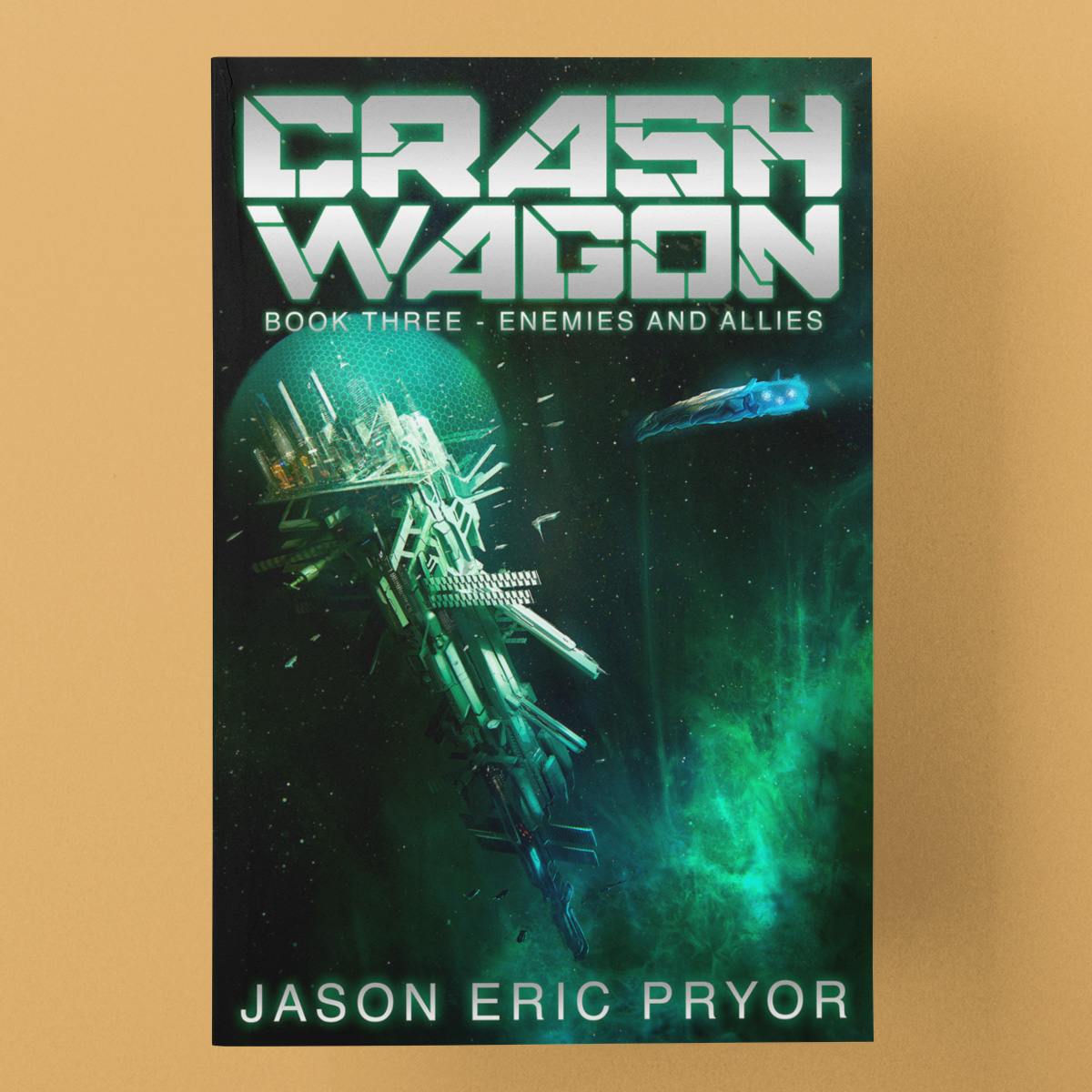
To begin creating your original characters, you can start from something not so original. Think of it like casting a movie. Create a list of people or characters that would be your dream casting choices if you were making your book into a movie. Who would be perfect to play them? Keep in mind, the people you use to cast your characters don’t have to be real. They don’t even have to be alive. They can be actors, fictional characters, musicians, personalities—anyone, really. Let me give you a couple of examples using characters from my sci-fi series, Crash Wagon.
Creating Donovan Barrett
Donovan Barrett is the medic in my story. I knew kind of what I wanted him to be, but I needed a little help figuring him out. The more I pictured him in my head, the more he started taking shape. I could almost hear his voice, and it sounded a lot like Sherlock Holmes. More specifically, the Sherlock Holmes played by Robert Downey Jr. I wrote that down.
Then I thought, what other roles has Robert Downey Jr. played that I might be able to pull from? I thought of Tony Stark. Stark didn’t completely fit the doctor I had in mind, but there were definitely aspects of that character I thought I could use. I wrote those down as well.
Then I “auditioned” this Robert Downey Jr. / Sherlock Holmes / Tony Stark hybrid. You audition your characters by writing a scene with them. It doesn’t even need to be a scene from your story. Just start writing a day in the character’s life. Write the character speaking dialogue. Write the character thinking to themselves. Write the character interacting with their environment.
How does it feel? Is it natural? Does it come to you freely? Most importantly, do you enjoy writing this character? Can you see yourself writing them throughout your story? This is their audition. It’s up to you to decide if they get the part or if you need to audition someone else.
While you’re writing your character during their audition, something else should start happening. You should be adding pieces of your own imagination to the character. This is important because, if you simply use an existing character as your model, even if you’re combining more than one, your character can still end up feeling like a copy. As you audition them, let your own ideas become part of who they are.
For example, I gave Donovan certain things in his backstory that caused him to develop a strong loyalty to his captain. He has a touch of sarcasm that comes from Tony Stark, but none of Stark’s playfulness. I also gave him other personality traits that I wanted him to have, traits that didn’t necessarily come from any of the characters or people I originally used to cast him.
I can’t stress this enough. Casting your characters using this method gives you a starting point. From there, you need to add your own unique aspects.
Creating Jaimie Ellis
I used this same technique when creating Crash Wagon’s pilot, Jaimie Ellis. I did it a little differently, though.
I saw actress Jaimie Alexander on a talk show one evening. She just so happened to be in a great mood. In fact, I would describe her as bubbly and very playful.
Now, I don’t know Jaimie Alexander, so I don’t know if this is her normal personality. All I knew was the personality she was displaying during that interview, and it was exactly what I was looking for. This is what I needed Jaimie Ellis to be.
Just to be clear, no. I did not name Jaimie Ellis after Jaimie Alexander. The character was already named. It’s just a fun coincidence that they share the same first name.
In this case, I didn’t select a fictional character that the actress played. I didn’t even base Jaimie Ellis on the actress herself. I based her on the personality I saw during that particular interview. I took what I was seeing and hearing and built a character around it.
When I put Jaimie Ellis through the audition process, there were a lot more blanks for me to fill in. That’s fine. In fact, those blanks gave me more room to use my own creativity to develop the character.
You Don’t Have to Tell Anyone
Remember. Casting your characters is for you, not your readers. It’s a tool to help you create and develop the characters in your story. You don’t have to tell your readers, “Oh, and you should definitely read this character as Tommy Lee Jones because that’s who I based him on.” In fact, I would strongly discourage that.
When I read a story, my mind paints its own picture of what the characters look and sound like. Sure, sometimes the book tells us what characters look or sound like, but it’s still up to readers to see and hear those characters in their own heads. Writers help readers build the world and its characters, but their imagination does the rest. It’s one of the joys of reading fiction.
Yes. I do see the conflict in saying you shouldn’t tell others who you used to create your characters while completely detailing who I used to create two of my Crash Wagon characters. It’s okay. This is different.
If you want to make something of it, be careful. I may cast you as the character who steps on an endless number of Lego bricks in my next story!