Photography is not about the gear but rather, what you do with it.
I’ve been shooting with Nikon cameras for many years. My current camera is the Nikon Z6 mirrorless camera.
I’m enjoying the Z6. The autofocus isn’t as good as what Sony is doing with its Alpha series of mirrorless cameras, but it’s still very good.
About 15 years ago, I was shooting with the Nikon D200. Obviously, that camera isn’t even in the same ballpark with the Z6 when it comes to technology. But if you were to ask me which of the two cameras taught me the most about photography, I’d have to say it was the D200.
Finding My First DSLR
I shot film with my Minolta SLR for years. I even shot film when working through the New York Institute of Photography’s online course. Then, one day, I decided it was time to go digital.
I wanted to get my first digital SLR, but it wasn’t going to be cheap.
At the time, the two brands that were leading the way with digital SLRs were Nikon and Canon. I decided to go on eBay and just see what was available between those two brands.
And there it was.
A Nikon D200 for only…wait a minute…eighty dollars?
That couldn’t be right.
As I investigated the listing further, I found out that the auto focus on the camera was broken. Hence, the cheap price.
I was about to move past the listing and see what else was available, but I suddenly had an idea.
The Nikon Surprise
I emailed Nikon and asked them what they would charge me to fix the auto focus on a D200 DSLR. They quoted me around one hundred dollars.
That wasn’t bad!
That meant I could end up with a D200 DSLR for around two hundred dollars once I factored in shipping. At the time, the D200 was going for around six hundred dollars.
I decided to buy the camera.
Once it arrived, I immediately sent it off to Nikon for the repairs. What I got back blew my mind!
Not only did they fix the auto focus, they completely refurbished and cleaned the camera! It looked brand new. It even smelled brand new! I was beyond happy with my purchase. At that point, it was time to see what I could do with it.
Photographing Everything
After some time going through the menus and watching YouTube videos to familiarize myself with the camera, it was time to start shooting.
So, what did I photograph?
Everything!
My couch. My car. My shoe. Everything.
After photographing every mundane thing within my sight, I figured it was time to try to do some work that was a little more focused.
I needed a model.
I used my Nikon D200 for my first model photoshoot, which you can read about it in more detail in the article, My First Model Photoshoot.
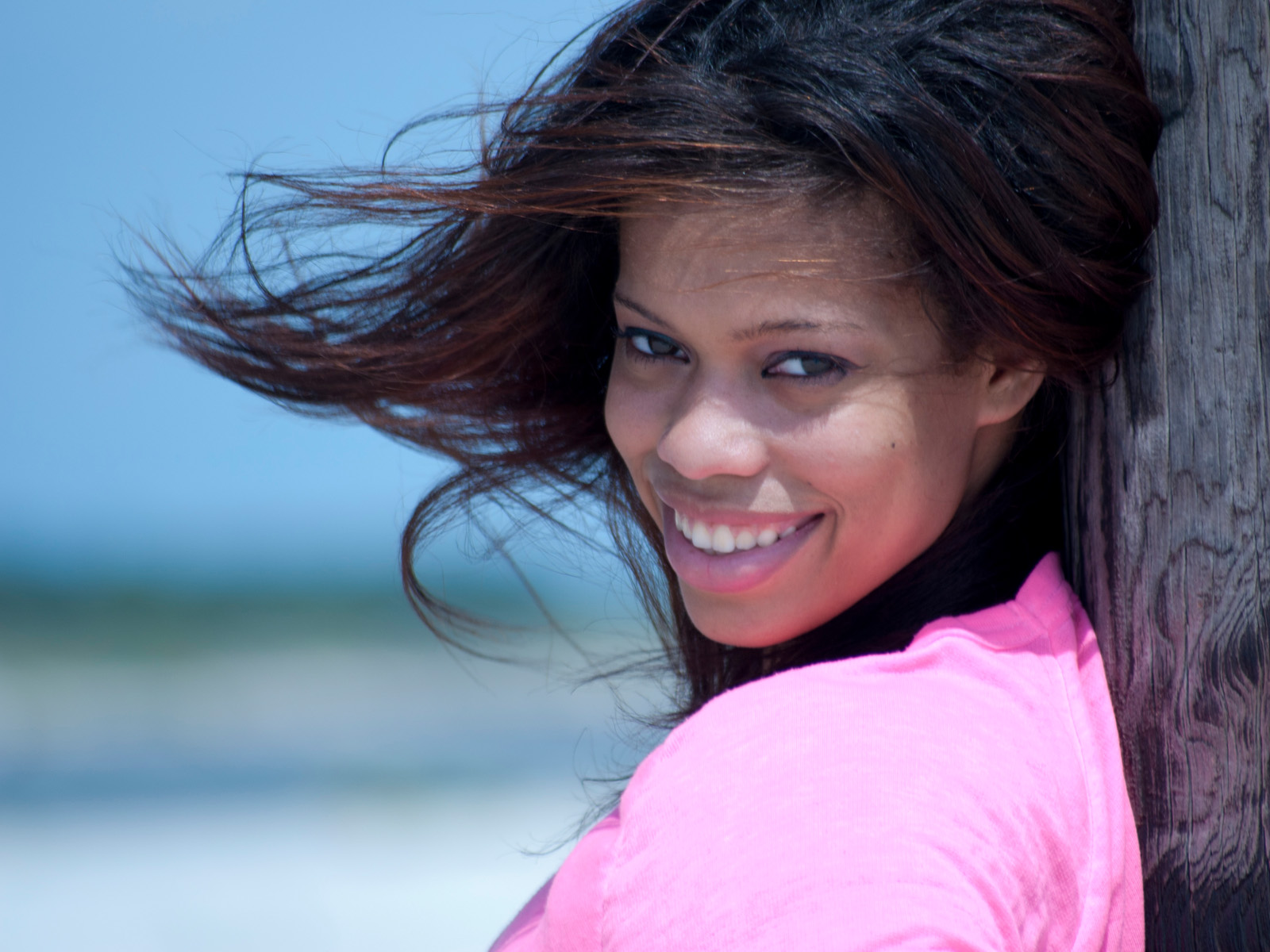
This is one of the rejected shots from my first model photoshoot. I like the composition, but I missed the focus on the eyes. That was a common occurrence.
I used it again shortly after when shooting the same model and her mom. You can read about that experience and see some of the shots in Photographing a Couple.
Finally, I used the D200 to capture the photographs featured in, Portrait Themes.
For all three photo sessions, I had to learn the D200.
Obviously, I wasn’t wasting the models time while trying to figure out how to use the camera. What I mean is, I was trying different things to see what worked best for the different situations I ran into.
The D200 made me work for it.
Sometimes I missed focus which caused some soft images. There were some missed exposures. I was used to shooting film, so setting the ISO to anything over 800 seemed crazy to me.
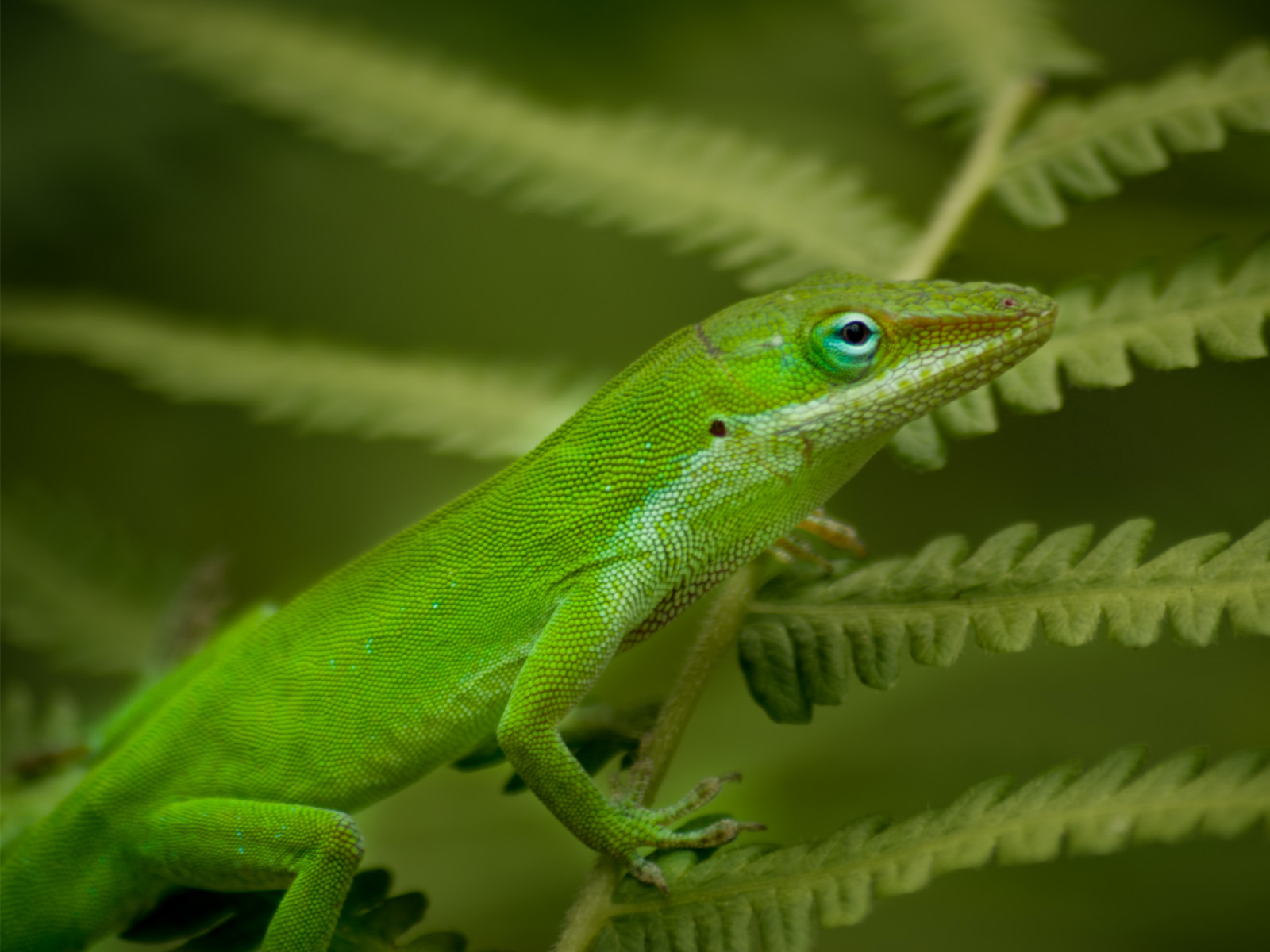
This photo would've been great, but I missed the focus on the eye.
Without realizing it, I was limiting myself and what the camera was capable of doing.
Yes, I was inexperienced using a DSLR, but the D200 wasn’t helping me out nearly as much as modern cameras do today.
I had to get better.
I had to learn how to shoot digitally.
Leveling Up
Eventually, I upgraded to the Nikon D5300.
The D5300 introduced me to another aspect to digital photography that I had no experience with: shooting video with an SLR.
The whole concept seemed a little crazy to me.
I shot a little video and learned how to get some decent results. I was impressed with the D5300 video output. The quality was amazing.
Once the novelty wore off, though, I found myself focusing on still photography again.
The Nikon D5300 is a great camera for photographers looking to learn how to shoot with a DSLR, and it’s also a great introduction to shooting video. In fact, my D5300 is still in my camera bag today.
A few years later, everyone seemed to be talking about mirrorless cameras.
At first, I didn’t pay much attention to them. I thought they might just be another trend. I eventually realized that it wasn’t just a trend and they were the next advancement in camera technology.
That’s when I started taking them seriously.
I eventually bought my Nikon Z6, the camera I’m still using today.
The image quality is better. The technology is better. The camera is more forgiving when shooting. There’s no question that the Z6 makes photography easier in many ways.
But here’s the thing.
The Z6 helps me capture photographs more easily, the D200 taught me how to see them.
A better camera can remove technical obstacles, but it can’t replace observation. It can’t replace patience, composition, or an understanding of light.
And it certainly can’t replace creative vision.
What the D200 Taught Me
Looking back, the Nikon D200 was a great teacher.
One of the biggest surprises for me was how much flexibility digital photography offered compared to shooting film.
Being able to change the ISO from one photograph to the next was a revelation. I didn't have to finish an entire roll of film before changing to a different sensitivity. I could adjust the camera to suit the conditions, even if I was initially hesitant to push the ISO very high.
And there was the number of Photographs I could take!
When you're shooting a roll of film with only 24 exposures, you tend to be very selective about what you photograph. Every shot costs money, and you don't get to see the results until the film is developed.
Digital photography changed all of that.
I could experiment with different exposures, compositions, and settings without worrying about wasting film. I could immediately review my results, figure out what worked, and try again.
That freedom to experiment helped me learn faster.
My Nikon Z6 produces much better photos from a technical standpoint than my D200 could. Here’s the thing.
I still own my D200.
It’s in my bag along with the D5300. Both are used as backup bodies.
The D200 always reminds me that photography isn’t about the technology. It’s not about the camera. It’s about learning. Better gear removes obstacles, but a photographer’s vision is still the most important part of capturing an image.
My D200 helped me to improve my photographer’s vision.